
How to Make a Latte at Home (With or Without an Espresso Machine)
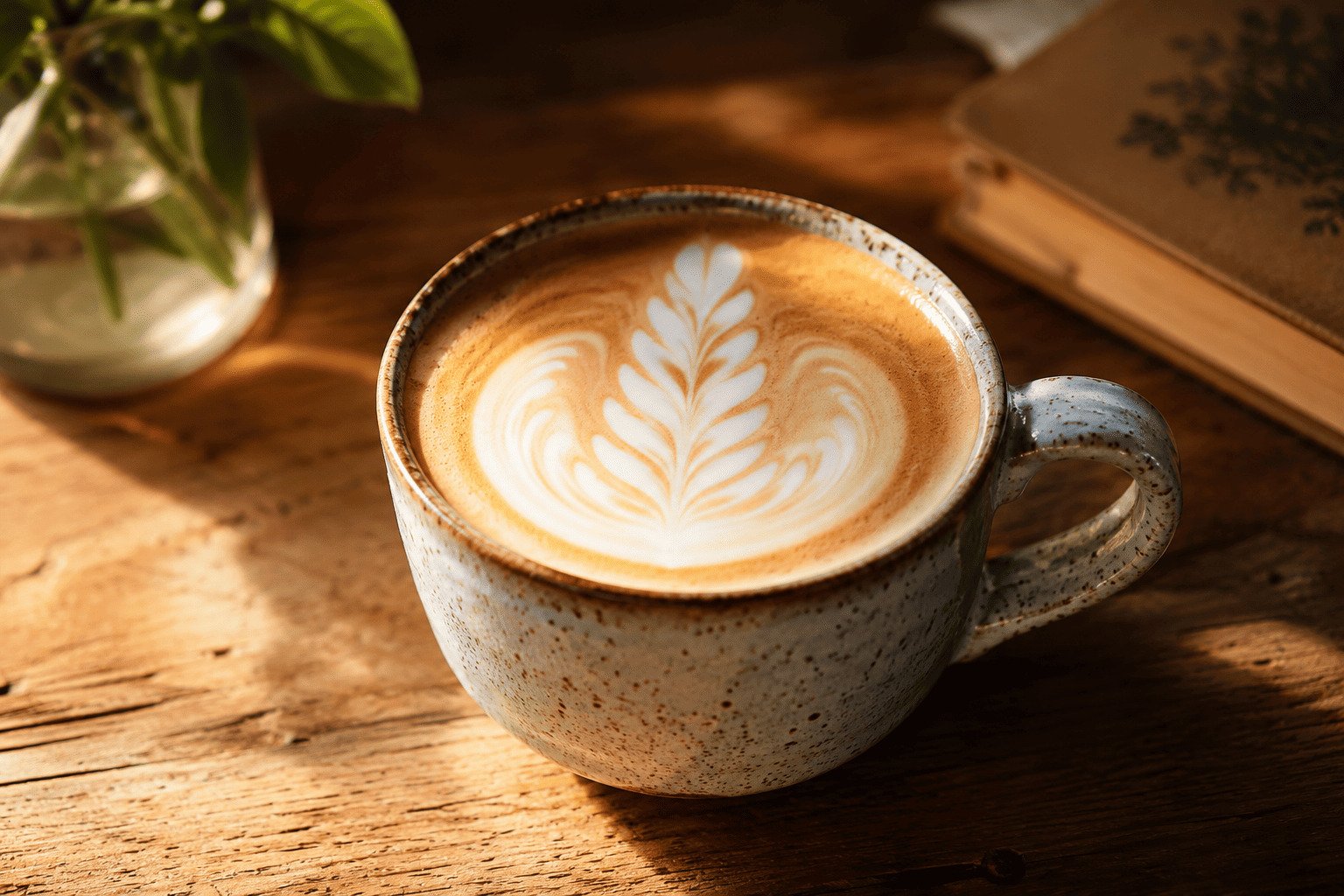
Making a latte at home is easier than you think. All you need is strong coffee, steamed milk, and a few minutes. This guide walks you through three different brewing methods — espresso machine, moka pot, and French press — so you can make a smooth, creamy latte no matter what equipment you have in your kitchen. Once you nail the basics, you may never queue at a coffee shop again.
Homemade Latte
Ingredients
For the Espresso Base
- 18 g freshly ground espresso-roast coffee beans (about 2 tablespoons, fine grind for espresso or medium-fine for moka pot)
- 2 oz filtered water (60 ml, for brewing)
For the Steamed Milk
- 8 oz whole milk (240 ml — cold from the fridge froths best)
Optional Flavorings
- ½ tsp vanilla extract (or 1 tbsp vanilla syrup)
- 1 tsp granulated sugar or sweetener (to taste)
Instructions
- 1
Fill your mug with boiling water and let it sit while you prepare the coffee. A warm mug keeps the latte hot much longer.
This small step makes a noticeable difference — a cold ceramic mug drops the drink temperature by about 10°F instantly.
- 2
Grind your coffee beans fresh if possible. For an espresso machine, use a fine grind (like table salt). For a moka pot, go slightly coarser (like fine sand). For a French press, use a coarse grind.
- 3
Brew a double shot of espresso (about 2 oz / 60 ml). If using a moka pot, fill the bottom chamber with hot water up to the valve, add coffee to the filter basket without packing it, and heat on medium until coffee flows into the upper chamber. If using a French press, steep 2 tablespoons of coarse-ground coffee in 3 oz of just-boiled water for 4 minutes, then press.
The goal is strong, concentrated coffee. A regular drip brew is too diluted for a proper latte.
- 4
While the coffee brews, pour cold milk into a frothing pitcher (or a microwave-safe jar if you do not have a frother). Steam the milk using your machine's steam wand until the pitcher feels too hot to hold comfortably — about 150°F (65°C). Tilt the pitcher at an angle and keep the wand tip just below the surface to create a whirlpool that incorporates tiny air bubbles.
- 5
If you do not have a steam wand, heat the milk in a saucepan over medium heat until small bubbles form at the edges (do not boil). Then froth it by pumping a French press plunger up and down for 30 seconds, or shake it vigorously in a sealed jar for about 45 seconds.
- 6
Tap the milk pitcher firmly on the counter 2 to 3 times and swirl it gently. This pops any large bubbles and gives the milk a glossy, paint-like consistency.
- 7
Empty the hot water from your mug. Pour the espresso in, followed by any sweetener or flavoring — stir briefly.
- 8
Hold the pitcher about 3 inches above the mug and pour the steamed milk in a steady stream into the center of the espresso. Once the cup is about three-quarters full, bring the pitcher closer to the surface and pour slightly faster to let the foam flow on top. Serve immediately.
Tips
- Always start with cold milk straight from the fridge. Cold milk gives you more time to build microfoam before it overheats.
- Whole milk creates the richest, most velvety foam because of its fat content. If you prefer a lighter latte, 2% milk still froths reasonably well.
- For the best flavor, use coffee beans roasted within the last 2 to 4 weeks. Stale beans produce flat, bitter espresso.
- A latte has a higher milk-to-coffee ratio than a cappuccino. If you want a stronger coffee flavor, use less milk (6 oz instead of 8) or pull a longer espresso shot.
- If your latte tastes bitter, your coffee may be over-extracted — try a coarser grind or shorter brew time. If it tastes sour or weak, go finer or brew a bit longer.
Substitutions
- No espresso machine? A moka pot (stovetop espresso maker) produces strong coffee that works perfectly. A 3-cup Bialetti is the most popular size for a single latte.
- No moka pot either? Use a French press with double the normal coffee amount and half the water. Steep for 4 minutes for a concentrated brew.
- For dairy-free lattes, barista-edition oat milk is the closest to whole milk in terms of frothing and taste. Avoid regular oat or almond milk — they tend to separate and produce thin foam.
- Replace vanilla extract with caramel syrup, hazelnut syrup, or a pinch of cinnamon for different flavor profiles.
Storage
A latte is best served immediately after making it. The foam begins to deflate within minutes, and reheating causes the milk to lose its silky texture. If you need coffee on the go, brew the espresso in advance, refrigerate it, and make an iced latte when you are ready to drink.
Frequently Asked Questions
Can I make a latte without an espresso machine?
Absolutely. A moka pot, AeroPress, or French press all work. The key is making concentrated coffee — about 2 oz of strong brew. Regular drip coffee is too weak and will taste watery once you add 8 oz of milk.
What milk is best for a latte?
Whole milk gives the creamiest texture and sweetest taste because of its fat and sugar content. For dairy-free options, barista-edition oat milk froths the best and has a naturally sweet, neutral flavor. Almond and soy milk can work but tend to produce thinner foam.
What is the difference between a latte and a cappuccino?
Both use espresso and steamed milk, but the ratio differs. A latte is about one-third espresso and two-thirds steamed milk with a thin layer of foam. A cappuccino is equal parts espresso, steamed milk, and thick foam — so it is smaller, stronger, and much frothier.
How do I make latte art?
Latte art requires well-textured microfoam — glossy, smooth milk with no visible bubbles. Pour the milk into the center of the espresso from a height of about 3 inches, then lower the pitcher close to the surface when the cup is three-quarters full. Gently wiggle the pitcher side to side while moving it backward to create a heart or rosetta pattern. It takes practice — expect your first few attempts to look like blobs.
Is a latte healthy?
A plain latte made with whole milk has about 150 calories and is a good source of calcium and protein. The main health concern comes from added syrups and sugar. If you are watching calories, use skim milk or unsweetened oat milk and skip the sweetener.
Why does my homemade latte not taste like the one from a coffee shop?
Three common reasons: the coffee is not strong enough (use real espresso or a concentrated brew, not drip coffee), the milk is not properly steamed (it should be silky and glossy, not bubbly or scalded), or the beans are stale. Freshly roasted beans within 2 to 4 weeks make a dramatic difference.