The Soul of Khaleeji Cooking
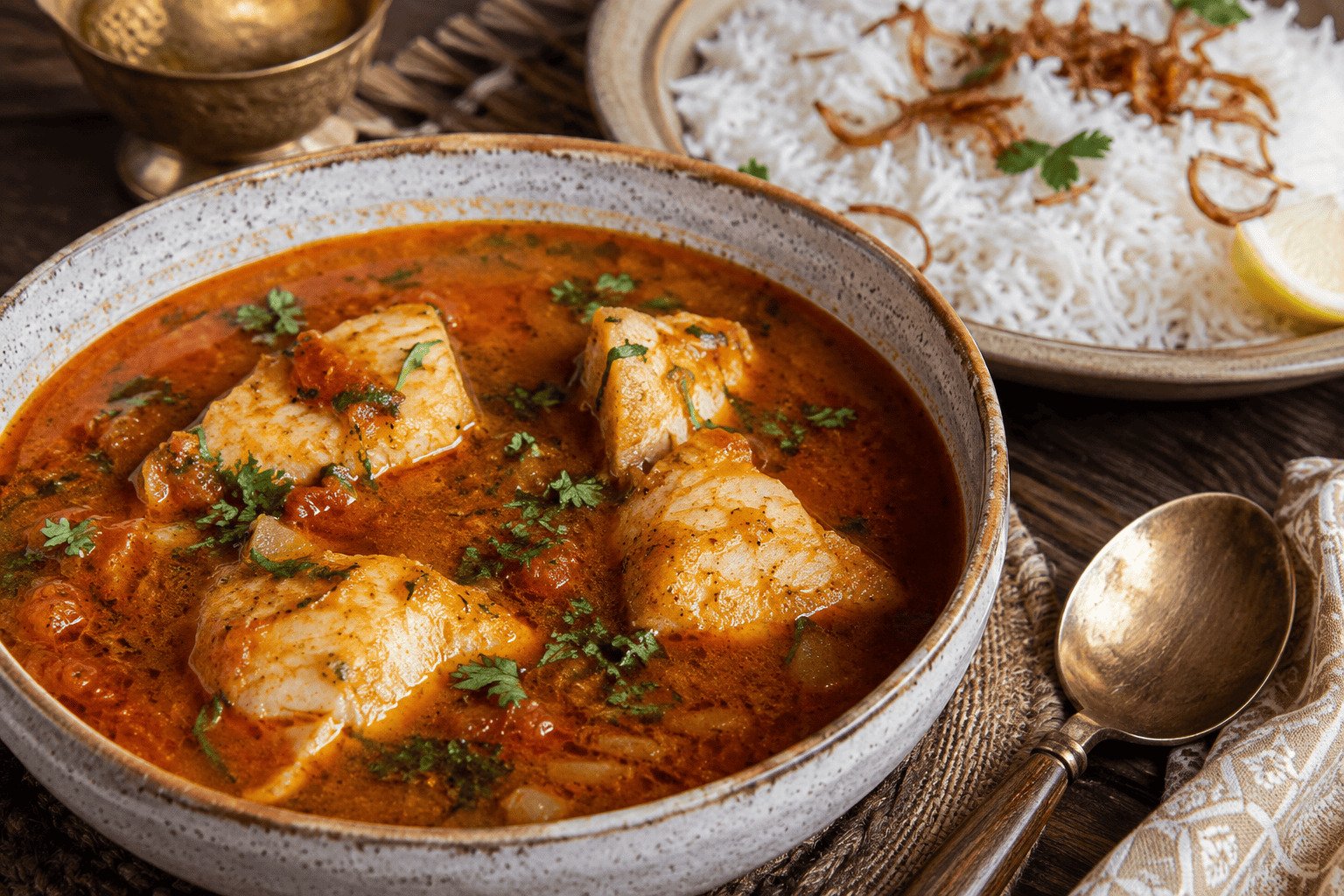
To understand Gulf cuisine is to understand its history as a global trading hub. The flavor profiles are built on a foundation of imported spices that have been integrated over centuries.

The Spice Trade Legacy
The Arabian Gulf has been a crossroads of global trade for millennia. Long before oil was discovered, the region's ports connected the spice routes of India, East Africa, and Southeast Asia with the Mediterranean world. This history lives on in every Gulf kitchen.
Essential Gulf Spices
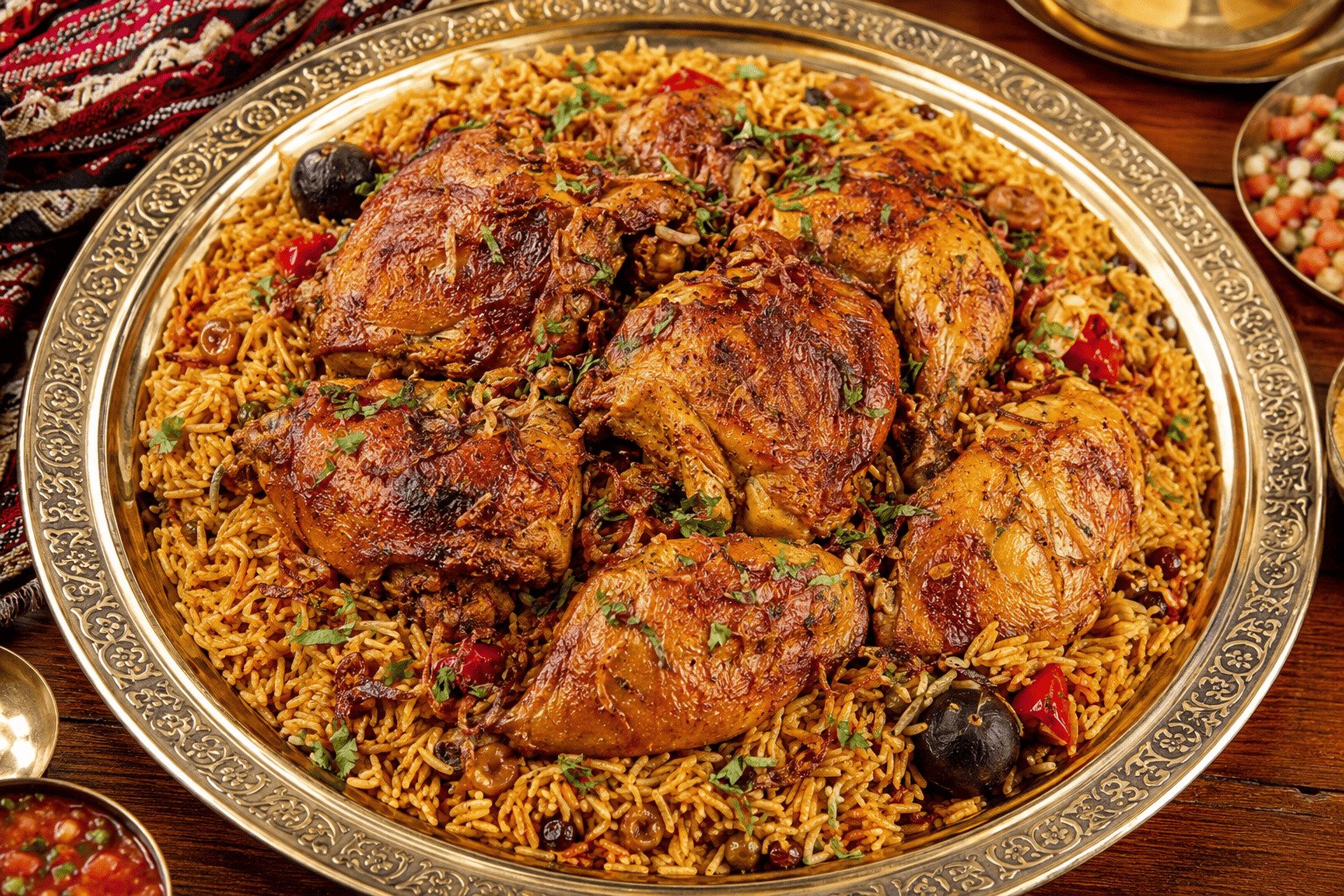
Loomi (Black Lime): Sun-dried limes that impart a complex, earthy sourness essential to stews and rice dishes. They are used whole (pierced) in cooking and removed before serving.
Bezar: The ubiquitous Gulf spice blend, varying from home to home but typically featuring cumin, coriander, cinnamon, black pepper, and dried chilies. Some families add cloves, nutmeg, or dried rose petals.
Baharat: A broader Middle Eastern spice blend that in Gulf kitchens often overlaps with bezar but tends to include paprika and allspice.
Saffron: Used generously in Gulf cooking — far more than in most other cuisines. It colors rice, flavors desserts, and appears in beverages.
The Communal Table
Gulf dining is inherently communal. The traditional sufra — a cloth spread on the floor — brings family members together around shared platters. This practice continues today, even in modern households, reflecting values of hospitality and togetherness that define the region's food culture.